

As a dietician, one sentence I hear almost every day is, “Ab toh Indian khana chhodna padega.”
From my experience working closely with diabetic patients, this fear usually comes from confusion, not reality.
Diabetes doesn’t ask you to give up Indian food; it asks you to eat it more mindfully. When meals are balanced, portions are controlled, and the right ingredients are chosen, an Indian diet for blood sugar control can be both healing and enjoyable. Our traditional foods, when used correctly, can actually support stable glucose levels.
This 7-day Indian diet plan for diabetic patients is based on what I follow in real clinical practice. It reflects simple, familiar Indian foods and practical meal combinations that support steady energy and long-term control.
If you’re looking for a realistic Indian diet plan for diabetics, this guide will help you manage diabetes in a way that feels sustainable and empowering.
Why does diet play a key role in blood sugar control
Food directly affects blood glucose levels. Choosing the right foods at the right time helps prevent sudden sugar spikes and energy crashes. A structured Indian diabetic diet plan with portion control supports better insulin sensitivity and long-term diabetes management.
Traditional Indian meals can work extremely well for diabetes when portions are managed, and refined carbohydrates are replaced with complex, fiber-rich alternatives.
This is why following a planned Indian diet chart for diabetes management is far more effective than random food restrictions or extreme dieting.
Foods to eat and avoid in a diabetic indian diet
Choosing the right foods is one of the most powerful tools for diabetes control. A balanced Indian diet for blood sugar control focuses on steady energy release, improved digestion, and reduced glucose spikes. Understanding what to include and what to limit makes daily meal planning far easier and more sustainable.
Best indian foods for diabetes control
Including the best Indian foods for diabetics helps maintain stable blood sugar levels while keeping meals satisfying and nutritious. These foods are rich in fiber, protein, and essential nutrients that slow glucose absorption.
- Whole grains: oats, barley, millets, and limited portions of brown rice
- Proteins: dals, low-fat paneer, tofu, curd, and legumes
- Vegetables: lauki, tinda, karela, bhindi, spinach, and other leafy greens
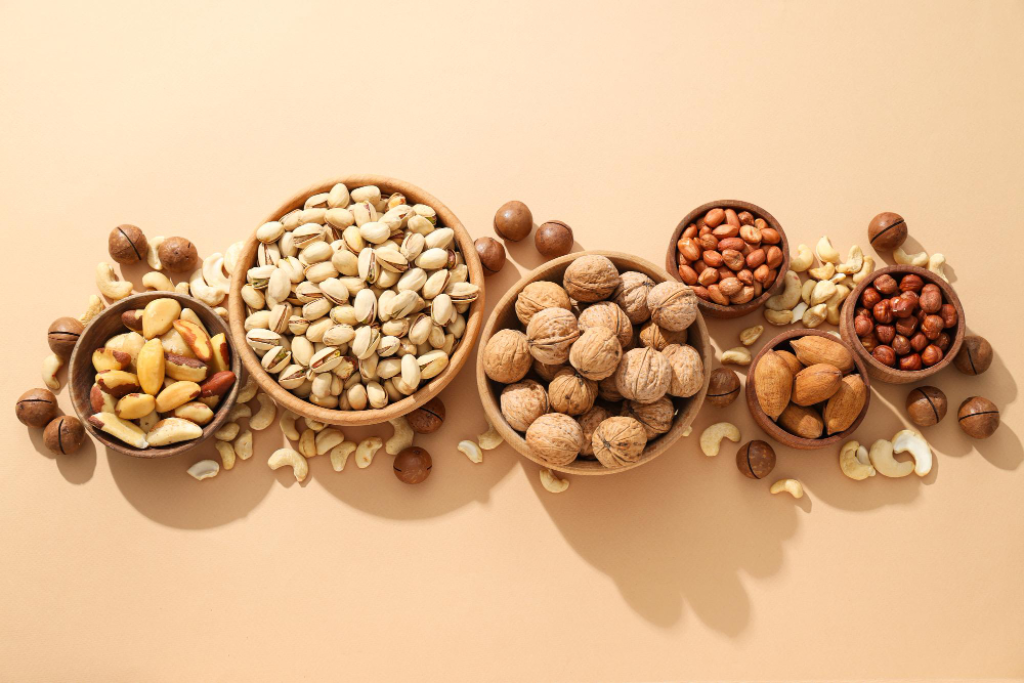
- Healthy fats: nuts, seeds, mustard oil, and groundnut oil
When consumed in appropriate portions, these foods form the foundation of a low-carb Indian diet for diabetes, supporting better insulin response and long-term control.
Foods diabetic patients should avoid
Certain foods can cause rapid blood sugar spikes and should be limited or avoided as part of an effective Indian diabetic diet plan with portion control.
- Excess white rice and refined grains
- Refined flour (maida) products such as naan, biscuits, and bakery items
- Sugary beverages, desserts, and sweets
- Fried snacks and heavily processed packaged foods
Reducing these items plays a key role in following a consistent Indian diet chart for diabetes management.
Cooking oils & spices safe for diabetes
The right cooking fats and spices can enhance both flavor and health. Turmeric, cinnamon, fenugreek, cumin, and coriander are known to support glucose metabolism and digestion. When used in moderation, they fit safely into an Indian diabetic diet plan with a food list and add natural therapeutic benefits to everyday meals.
To understand which everyday ingredients support blood sugar balance and which ones should be limited, refer to our detailed guide on healthy and unhealthy indian foods with calorie breakdown and benefits.
Complete 7-day Indian diet plan for diabetic patients
This 7-day diabetic meal plan India is designed to be practical, balanced, and easy to follow for most adults managing diabetes. It focuses on controlled carbohydrates, adequate protein, fiber-rich vegetables, and evenly spaced meals to prevent sudden blood sugar spikes.
The plan aligns closely with an Indian diabetic diet chart of 1800 calories, making it suitable for weight maintenance and blood sugar control. Portion sizes can be adjusted slightly based on age, activity level, medication, and individual goals, but the structure remains consistent.
Each day includes five eating points: breakfast, mid-morning, lunch, snack, and dinner, to support steady glucose levels throughout the day and avoid long gaps between meals.
Day 1 diet plan
- Breakfast: Vegetable oats upma + curd
- Mid-morning: 1 apple
- Lunch: 2 multigrain rotis + dal + lauki sabzi
- Snack: Roasted chana
- Dinner: Paneer bhurji + salad
Day 2 diet plan
- Breakfast: Moong dal chilla + mint chutney
- Mid-morning: Guava
- Lunch: Brown rice (small portion) + rajma + salad
- Snack: Buttermilk
- Dinner: Tofu stir-fry + vegetables
If you prefer vegetarian or plant-focused meals, explore more plant-based breakfast for diabetes options that fit perfectly into an Indian diabetic diet.
Day 3 diet plan
- Breakfast: Besan chilla with mixed vegetables
- Mid-morning: Papaya (small bowl)
- Lunch: 2 rotis + bhindi sabzi + curd
- Snack: Nuts (5–6 almonds)
- Dinner: Vegetable soup + sautéed paneer
Day 4 diet plan
- Breakfast: Millet-based poha with vegetables
- Mid-morning: Pear
- Lunch: Quinoa pulao + dal
- Snack: Sprouts chaat
- Dinner: Light palak paneer + salad
Day 5 diet plan
- Breakfast: Idli (2 small) + sambar
- Mid-morning: Orange
- Lunch: 2 rotis + chole + seasonal vegetable
- Snack: Roasted makhana
- Dinner: Curd bowl with vegetables
Day 6 diet plan
- Breakfast: Vegetable-rich upma
- Mid-morning: Kiwi
- Lunch: Millet khichdi + ghee (½ tsp)
- Snack: Green tea + peanuts
- Dinner: Stuffed capsicum with paneer
Day 7 diet plan
- Breakfast: Vegetable omelette or paneer scramble
- Mid-morning: Berries
- Lunch: 2 rotis + dal + sabzi
- Snack: Fruit chaat (no added sugar)
- Dinner: Light vegetable curry
This structured 7-day Indian diabetic meal plan supports steady glucose control, balanced nutrition, and long-term consistency, while keeping meals varied and enjoyable.
It’s an approach I regularly use in practice to help patients manage diabetes without feeling restricted or bored.
If you’re looking for a broader overview beyond weekly planning, this sugar patient diet chart explains how food choices directly impact diabetes management.
Detailed Indian food list for diabetic patients
A well-structured Indian food list for diabetics makes daily meal planning and grocery shopping much easier. Instead of guessing what is safe to eat, this list focuses on foods that support steady blood sugar levels, improve digestion, and provide long-lasting energy.
These foods can be mixed and matched to build balanced meals throughout the week.
Vegetables
Vegetables should form the largest portion of a diabetic plate due to their high fiber and low glycemic load.
- Leafy greens (spinach, methi, bathua)
- Gourds (lauki, tori, tinda)
- Cabbage, cauliflower, broccoli
- Bhindi, carrot, beans
Fruits (low-gi options)
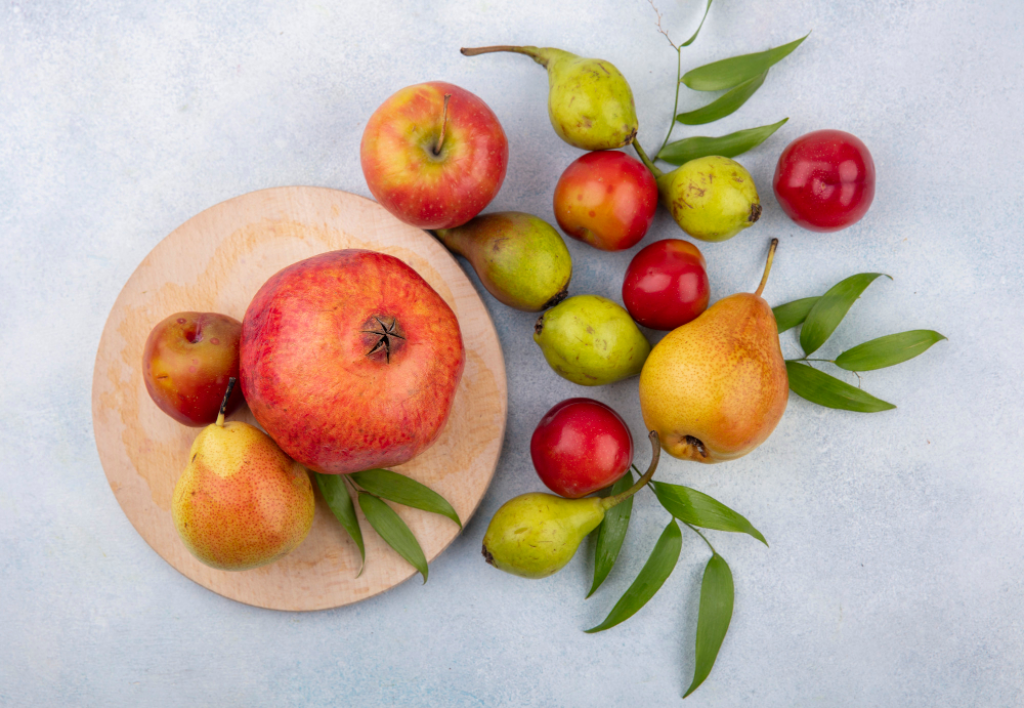
Fruits are allowed in controlled portions when low-GI choices are selected.
- Apple
- Guava
- Berries
- Pear
Eating fruits whole (not as juice) fits well into an Indian diet for blood sugar control.
Grains & cereals
Choosing whole grains over refined grains helps slow glucose absorption.
- Millets (jowar, bajra, ragi)
- Oats
- Quinoa
- Barley
These grains work well in a low-carb Indian diet for diabetes when portion sizes are managed.
Proteins (vegetarian & non-vegetarian)
Adequate protein is essential for satiety and sugar stability.
- Dal and legumes
- Paneer (low-fat) and tofu
- Eggs
- Fish (grilled or lightly cooked)
Dairy & healthy fats
Healthy fats and dairy improve meal balance when consumed in moderation.
- Low-fat curd and buttermilk
- Nuts and seeds (almonds, walnuts, flaxseeds, chia seeds)
This food list forms the backbone of an Indian vegetarian diet plan for diabetic patients and can also be adapted easily for non-vegetarian preferences.
Following this list consistently supports long-term diabetes control without unnecessary dietary restrictions.
Daily calorie chart for diabetic diet (indian meals)
A structured diabetic diet chart with a calorie chart helps control portions, prevent overeating, and maintain steady blood sugar levels throughout the day.
| Meal timing | Recommended calories (approx.) | Purpose for blood sugar control |
| Breakfast | 300–350 kcal | Provides steady energy and prevents early glucose spikes |
| Lunch | 500–550 kcal | The main balanced meal to support sustained blood sugar levels |
| Snacks | 200–250 kcal | Prevents long gaps between meals and sugar dips |
| Dinner | 400–450 kcal | Light but nourishing to avoid night-time glucose rise |
| Total daily intake | ~1,800 kcal | Aligns with an Indian diabetic diet chart, 1800 calories |
This calorie chart for diabetic patients offers a practical daily structure that supports consistent glucose control while keeping meals balanced and satisfying.
It works well for most adults and can be adjusted slightly based on activity level, age, and medical advice.
Many people confuse generic nutrition advice with personalized care, this guide on why consult a dietician explains how professional guidance differs from online tips.
When to consult a dietician for diabetes management
Diabetes is not a one-size-fits-all condition, and diet needs can change over time. If your blood sugar levels remain uncontrolled despite following a plan, if you notice sudden weight gain or weight loss, or if your medications or insulin dosage have changed, professional guidance becomes essential.
A personalized Indian diabetic diet plan with portion control helps address individual factors such as lifestyle, food preferences, work schedule, and medical history. Unlike generic charts, customized nutrition planning focuses on safety, flexibility, and sustainable results.
As a dietician specializing in Diabetes Management, I work closely with individuals to create realistic, easy-to-follow diet plans that support long-term blood sugar control without unnecessary restrictions.
If you’re unsure about what to eat, struggling with consistency, or looking for structured guidance, it’s the right time to get an appointment and receive personalized support tailored to your health goals.
Frequently asked questions
Question: Can diabetics follow an Indian vegetarian diet?
Answer: Yes. A well-planned Indian vegetarian diet plan for diabetic patients can effectively manage blood sugar levels. When meals include adequate protein from dals, paneer, tofu, and legumes, along with fiber-rich vegetables and whole grains, vegetarian diets provide balanced nutrition and steady glucose control.
Question: Is a low-carb Indian diet safe for diabetes?
Answer: Yes. A low-carb Indian diet for diabetes is safe and beneficial when it focuses on whole foods rather than extreme restriction. Reducing refined carbohydrates while increasing protein, vegetables, and healthy fats helps improve insulin response and reduce post-meal sugar spikes.
Question: How many calories should a diabetic eat daily?
Answer: Calorie needs vary by age, activity level, and health goals, but most adults benefit from a calorie chart for diabetic patients ranging between 1,600 and 1,900 calories per day. Many individuals do well on an Indian diabetic diet chart, 1800 calories, adjusted as needed.
Question: Can rice be included in a diabetic diet?
Answer: Yes. Rice can be included in small, controlled portions as part of an Indian diet chart for diabetes management. Choosing brown rice or pairing rice with fiber and protein helps slow glucose absorption and improve blood sugar stability.
Question: Is a 7-day meal plan effective for diabetes control?
Answer: Absolutely. A structured 7-day Indian diet plan for diabetic patients helps build routine, improve portion awareness, and encourage consistent meal timing. Over time, this structure supports long-term habits and better blood sugar control.

Tapasya Mundhra is a Clinical Dietitian and Wellness Consultant based in Newark, USA, specializing in Nutrition for Weight Loss, Detox Diets, and Stress Management. With over 13 years of experience, she helps clients optimize their physical and mental well-being through personalized diet plans, moderate workouts, and holistic health strategies. Trusted by countless clients, she is dedicated to achieving sustainable health goals.