
Living with diabetes often means constantly worrying about sugar levels, food choices, energy crashes, cravings, and long-term health complications. Many people try random online diet charts, completely stop eating carbohydrates, or skip meals hoping to control blood sugar faster. In reality, diabetes management works best when nutrition becomes practical, balanced, and sustainable.
At Tapasya Mundhra, every nutrition plan is tailored according to your blood sugar patterns, lifestyle, food preferences, medical history, and daily routine. Instead of extreme restrictions, the focus remains on building healthier eating habits that support better glucose control and long-term wellness. If you are searching for a trusted diabetes dietitian in Delhi, Tapasya offers practical Indian meal planning and personalized support designed for healthier and more sustainable diabetes management.

Diabetes is a health condition where the body is unable to properly regulate blood sugar levels. This usually happens when the body either does not produce enough insulin or cannot use insulin effectively. Over time, consistently high blood sugar may affect energy levels, metabolism, heart health, digestion, and overall wellness.
Diet plays a major role in diabetes management because the foods you eat directly influence glucose levels throughout the day. Meal timing, carbohydrate quality, portion sizes, and eating habits can all impact how stable your blood sugar remains.
A properly planned blood sugar control diet focuses on creating balanced meals that help manage glucose levels more effectively without relying on extreme food restrictions. Instead of starving or eliminating entire food groups, the goal is to build healthier eating habits that feel practical and sustainable long-term
With personalized guidance from an experienced diabetes dietitian in Delhi, many individuals are able to improve meal consistency, make better food choices, and support healthier diabetes management naturally.
India has one of the highest diabetes rates due to factors like high refined carbohydrate intake, low physical activity, increasing obesity, stress, and unhealthy lifestyle habits. Frequent consumption of sugary drinks, processed foods, and irregular eating patterns also contributes to rising blood sugar problems.
According to the International Diabetes Federation, nearly 107 million people in India are living with diabetes, and the number is projected to reach 185 million by 2050.
Many people also delay making lifestyle changes until symptoms become more serious. Early nutritional intervention can help improve eating patterns and support healthier blood sugar management before complications increase further.
Carbohydrates are the body’s primary energy source, but not all carbohydrates affect blood sugar in the same way.
ARefined carbohydrates like sugary drinks, white bread, sweets, bakery products, and packaged snacks digest quickly and may cause rapid glucose spikes. On the other hand, fiber-rich complex carbohydrates digest more slowly and help maintain steadier sugar levels.
Understanding carbohydrate quality and quantity is one of the most important parts of a personalized diabetes diet plan.
Type 1 diabetes occurs when the body produces little or no insulin, while Type 2 diabetes develops when the body cannot use insulin properly. Since both conditions affect the body differently, their dietary needs also vary.
A personalized diabetes diet plan in Delhi helps create balanced eating habits that are practical and easier to maintain long-term.
The Glycemic Index (GI) measures how quickly a food increases blood sugar after eating. Foods with a lower GI release glucose more gradually, helping reduce sudden sugar fluctuations.
Understanding GI helps create meals that keep energy levels steadier throughout the day instead of causing repeated highs and crashes.
Low GI foods you can eat daily:
Combining carbohydrates with protein and fiber may further help improve glucose balance and meal satisfaction.
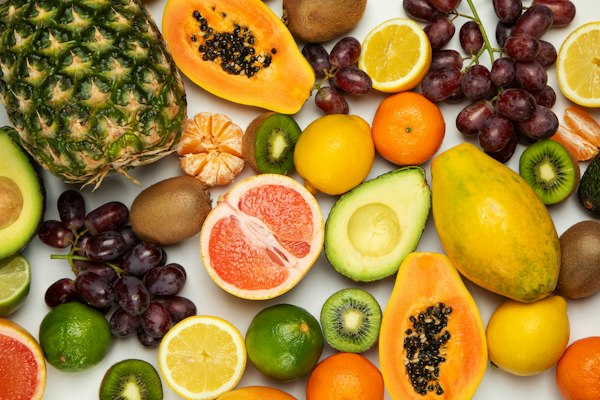
Diabetes-friendly eating does not mean giving up Indian food completely. In many cases, simple adjustments in portions, food combinations, cooking methods, and meal timing make a major difference.
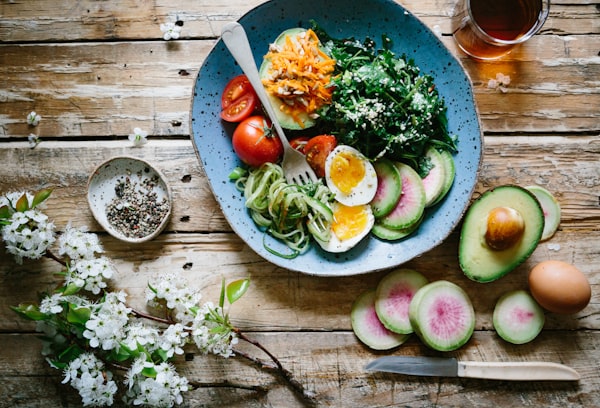
Balanced Indian meals may include:
The focus is on creating meals that support blood sugar balance while still feeling realistic and enjoyable.
Traditional Indian meals can work well for diabetes management when portions and combinations are balanced correctly. For example, pairing roti with protein and vegetables may slow glucose absorption, adding fiber-rich salad may improve fullness, and controlling oil and refined flour intake may support healthier eating patterns. Small daily adjustments often create more sustainable results than aggressive restrictions.
Many people assume rice must be eliminated completely after a diabetes diagnosis. However, portion size and meal balance usually matter more than complete avoidance. Smaller portions of rice paired with dal, vegetables, and protein sources may help reduce rapid sugar spikes compared to eating large quantities alone. The goal is improving balance rather than creating fear around food.
Even nutritious foods may affect blood sugar when eaten in excess. Portion awareness is one of the most important parts of long-term diabetes management. Helpful habits may include eating slowly, avoiding oversized servings, maintaining regular meal timings, reducing mindless snacking, and building balanced plates with protein and fiber. Consistent eating patterns often support better glucose stability throughout the day.
Certain foods can cause sudden blood sugar spikes and make diabetes management more difficult when consumed regularly. Limiting highly processed and refined foods may help support healthier glucose control.
A balanced blood sugar control diet focuses on smarter food choices instead of extreme food restrictions.
A balanced diabetic meal plan focuses on controlled portions, fiber-rich foods, balanced carbohydrates, and regular meal timings to support healthier blood sugar management.
Warm water with soaked almonds or seeds
Vegetable oats, besan chilla, or paneer toast
Low GI fruits like apple or guava
Roti, dal, sabzi, salad, and curd
Roasted chana or sprouts chaat
Light roti with vegetables and a protein source
Unsweetened milk if needed
Every diabetes diet plan is customized according to blood sugar levels, lifestyle, medications, and individual health goals.
At Tapasya Mundhra, the focus remains on sustainable lifestyle changes instead of unrealistic crash diets or temporary restrictions. Nutrition guidance is personalized to help improve consistency and create healthier long-term habits.
The approach focuses on:
AAs an experienced diabetic nutritionist in India, Tapasya focuses on making diabetes nutrition simpler, more practical, and easier to maintain in everyday life.
Managing diabetes becomes more effective when balanced nutrition is combined with regular physical activity. Following a structured blood sugar control diet along with activities like walking, yoga, cycling, or strength training may help improve insulin sensitivity and support healthier blood sugar control.
Regular movement may also support weight management, better energy levels, improved metabolism, and overall lifestyle consistency. Instead of extreme workout routines, the focus remains on building practical habits that are easier to maintain long term.

Many clients have improved their eating habits, lifestyle consistency, and overall wellness through personalized nutrition guidance and sustainable diet planning.
"I was struggling to manage my blood sugar levels and often felt confused about what to eat. The personalized diet plan was simple, practical, and easy to follow with regular Indian meals. Over time, I started noticing more stable sugar levels, better energy throughout the day, and healthier eating habits without feeling restricted. Thank you, Tapasya, for the guidance and support!"
Get expert nutrition guidance and personalized diabetes management in Delhi tailored to your lifestyle, food prefe rences, and health goals.
Regular consultations with a diabetes dietitian help monitor progress, improve meal consistency, and adjust dietary plans to align with changing blood sugar levels, lifestyle habits, and health goals. Periodic guidance also helps build healthier long-term eating patterns and better diabetes management habits
Yes. Low GI fruits in controlled portions can be included in a balanced diabetic meal plan.
Occasional flexibility may be possible depending on blood sugar control, overall eating habits, and portion sizes.
Millets may provide higher fiber and slower glucose release, but meal balance and portion management remain equally important.
Yes. Rice can be included in moderation when paired with protein, fiber-rich vegetables, and balanced portion sizes.
Yes. Healthy snacks like roasted chana, sprouts, nuts, seeds, or low GI fruits may help manage hunger and support more stable blood sugar levels between meals.
A balanced breakfast with protein, fiber, and complex carbohydrates like oats, besan chilla, paneer toast, or vegetable poha may help support steadier energy and glucose levels.
Staying properly hydrated may support overall health and help maintain better metabolic balance. Water needs vary depending on activity levels, weather, and overall health.
In many cases, maintaining a healthy weight through balanced eating habits and lifestyle changes may help improve insulin sensitivity and support healthier blood sugar management.
Living with diabetes becomes easier when nutrition feels practical, balanced, and easier to follow consistently in daily life. Personalized dietary guidance can help improve meal choices, support healthier eating habits, and create better long-term blood sugar management without relying on extreme restrictions. Receive customized dietary guidance focused on balanced eating habits, smarter food choices, portion awareness, and practical Indian meals that support healthier diabetes management in everyday life.
Book Your Consultation© COPYRIGHTS TAPASYA MUNDHRA. ALL RIGHTS RESERVED
Website Design Company: ControlF5
