
Almost every week, someone asks me, “Do I need to stop eating Indian food to be healthy or lose weight?”
My answer is always the same: no, you don’t.
Indian food is not unhealthy by default. In fact, a well-planned healthy Indian foods list is rich in nutrients, flavor, and variety. The real confusion starts when we mix home-style meals with fried snacks, sugary sweets, and restaurant portions without understanding healthy vs unhealthy Indian foods or the actual calorie count of Indian meals.
From my experience, once people learn how to read an Indian food calorie chart, choose more low-calorie Indian foods, and balance their plates, their health improves without giving up the foods they love.
This blog is a simple, practical Indian food nutrition guide to help you eat smart, enjoy your meals, and stay healthy, Indian style.
What makes an Indian food healthy or unhealthy?
In my practice, I don’t label foods as strictly “good” or “bad.” Indian cuisine is diverse, and almost every food can fit into a healthy lifestyle when eaten the right way. What matters most is how the food is prepared, how often it’s eaten, and in what quantity.
Healthy Indian foods usually:
- They are minimally processed and close to their natural form
- Use whole grains like wheat, millets, and brown rice
- Include pulses, lentils, vegetables, and seasonal ingredients
- They are cooked using limited oil and healthier cooking methods
- Provide fiber, protein, vitamins, and essential micronutrients
- Support digestion, steady energy levels, and overall nutrition
Unhealthy Indian foods often:
- They are deep-fried or heavily sugar-loaded
- Contains refined flour (maida) and processed ingredients
- Use excess butter, cream, ghee, or sugary syrups
- They are high in calories but low in nutritional value
- It can lead to weight gain, bloating, and blood sugar spikes when eaten frequently
This simple distinction forms the foundation of understanding healthy vs unhealthy Indian foods. Once you become aware of these factors, making smarter daily food choices becomes much easier and more sustainable.
Healthy Indian foods you should eat regularly
From my experience, you don’t need fancy ingredients or foreign superfoods to eat well. A strong, healthy Indian food list already exists in our kitchens. When these foods are eaten in the right portions and cooked correctly, they support energy, digestion, and sustainable weight management.
1. Whole Grains and Millets
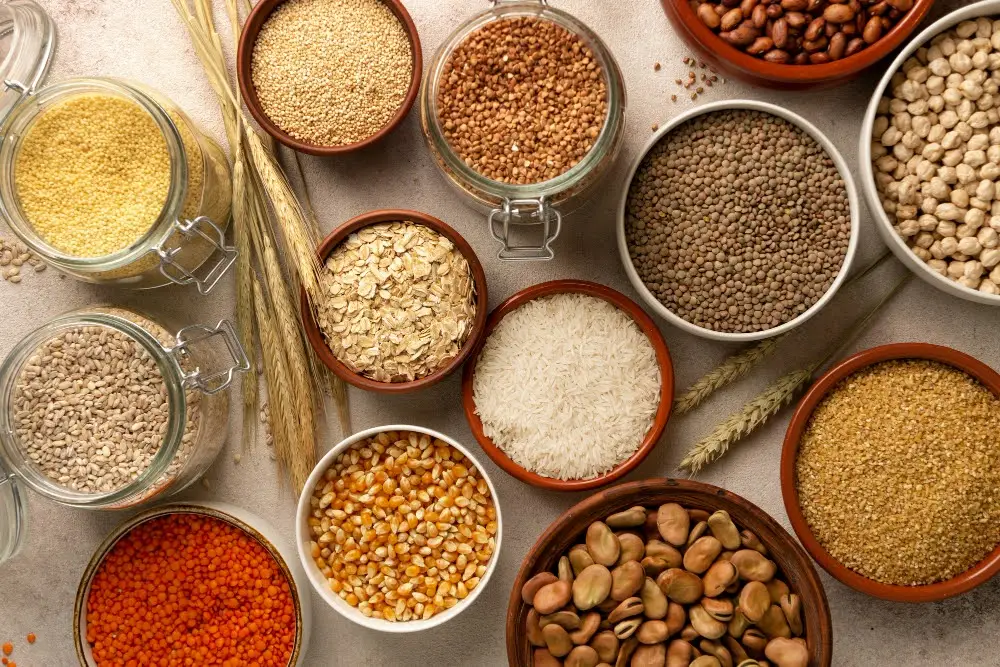
Roti made from whole wheat, along with brown rice, jowar, bajra, and ragi, are staples I recommend almost daily. These grains digest slowly, keep you full for longer, and help control blood sugar levels. For anyone focusing on Indian foods for weight loss, millets are especially useful as they are high in fiber and naturally nutrient-dense.
2. Protein-Rich Indian Foods
One of the biggest gaps I see in Indian diets is low protein intake. Foods like dal, paneer, curd, sprouts, chana, and rajma are excellent high-protein Indian foods, particularly for vegetarians. Including protein at every meal helps maintain muscle mass, control hunger, and improve metabolism.
3. Vegetables and Leafy Greens
Seasonal sabzi, spinach, methi, lauki, tinda, and other vegetables form the foundation of healthy Indian vegetarian foods. They are naturally low in calories, rich in fiber, and provide essential vitamins and minerals. Regular intake supports digestion, immunity, and overall gut health.
4. Healthy Fats in the Indian Diet
Fats are often misunderstood, but when used correctly, they are essential. Small amounts of ghee, coconut, nuts, and seeds improve satiety, support hormone balance, and help the body absorb fat-soluble vitamins. The key is moderation and quality, not complete avoidance.
5. Traditional Indian Superfoods
Turmeric, amla, flaxseeds, garlic, and ginger may look simple, but they are powerful. This Indian superfoods list is something I encourage my clients to include daily, even in small quantities. These foods reduce inflammation, support digestion, and strengthen immunity, making them a quiet but essential part of a healthy Indian diet.
Unhealthy Indian foods to limit or avoid
In my experience, most health issues don’t come from eating one unhealthy food occasionally, but from eating certain foods too often without realizing their impact. These foods are not “forbidden,” but they should be limited, especially if your goal is weight loss, better digestion, or improved metabolic health.
1. Deep-Fried Snacks

Samosa, pakora, kachori, and similar snacks may taste great, but they are high in oil and calories while offering very little nutrition. Regular consumption of these items can slow digestion and contribute to weight gain. This is why they are often on the unhealthy Indian foods avoid list for people managing weight or cholesterol.
2. High-Sugar Indian Sweets
Traditional sweets like jalebi, gulab jamun, rasgulla, and laddoos cause quick blood sugar spikes and provide mostly empty calories. While enjoying them occasionally is fine, frequent intake can increase fat storage and cravings, especially in people with diabetes or PCOD concerns.
3. Refined & Processed Indian Foods
Foods made with refined flour (maida), such as bakery biscuits, cakes, instant noodles, and packaged snacks, lack fiber and essential nutrients. Despite being high in calories, they don’t keep you full for long, making them a poor choice for daily eating.
4. Restaurant & Street Foods
Restaurant and street foods like butter-loaded pav bhaji, chole bhature, and creamy gravies often contain excessive oil, butter, and salt. Compared to home-cooked meals, these dishes can easily double the calorie count of Indian meals, making portion control and balance difficult.
Many people struggle not because of food choices, but because of unrealistic plans, this article on why most diets fail and how to make yours work long-term explains how to build sustainable habits.
Indian food calorie chart (healthy vs unhealthy foods)
In my consultations, I’ve noticed that people make much better food choices once they see actual numbers. A clear Indian food calorie chart removes guesswork and helps you understand where excess calories often come from, without needing to count every bite.
Below is a simple comparison of commonly eaten healthy vs unhealthy Indian foods, showing how calories can vary significantly based on preparation and portion size.
| Food Item | Category | Calories (Approx.) |
| 1 Roti (Whole Wheat) | Healthy | 80 |
| Brown Rice (1 cup cooked) | Healthy | 165 |
| Dal (1 cup) | Healthy | 150 |
| Vegetable Sabzi (1 cup) | Healthy | 90–110 |
| Curd (1 cup) | Healthy | 100 |
| Sprouts Salad (1 bowl) | Healthy | 120 |
| Samosa (1 piece) | Unhealthy | 250–300 |
| Pakora (4–5 pieces) | Unhealthy | 300 |
| Pav Bhaji (butter-loaded) | Unhealthy | 400–500 |
| Gulab Jamun (1 piece) | Unhealthy | 170–180 |
| Jalebi (2 pieces) | Unhealthy | 300 |
This simple Indian diet calorie chart helps compare choices and understand portion control better. I often pair this with a nutrition chart of Indian food for complete guidance.
If you follow a vegetarian diet, learning how to build a balanced vegetarian plate for every meal ensures you get enough protein, fiber, and nutrients without relying on processed foods.
Health benefits of healthy Indian foods
From my experience, the moment clients start focusing on the best healthy Indian dishes, their bodies respond positively, often faster than they expect. Instead of feeling restricted or hungry, they begin to feel lighter, more energetic, and more balanced.
Some of the most common benefits I see include:
- Better digestion and improved gut health, with reduced bloating and acidity
- Steady, sustainable weight loss without extreme dieting or starvation
- More consistent energy levels throughout the day
- Stronger immunity and fewer frequent illnesses
- Better control over cravings and mood swings
Including low-calorie Indian foods and balanced, home-cooked meals regularly works far better than crash diets or food elimination. When Indian food is chosen wisely, it supports long-term health while still allowing you to enjoy the flavors you grew up with.
Health risks of regularly eating unhealthy Indian foods
From my experience, most health problems don’t appear overnight; they build slowly when unhealthy Indian foods are avoided lists are ignored for long periods. Frequent intake of fried, sugary, and highly processed foods puts constant stress on the body.
I commonly see the following issues in people who rely heavily on unhealthy food choices:
- Gradual weight gain, especially stubborn belly fat
- PCOD, insulin resistance, and hormonal imbalance
- Increased cholesterol levels and heart health concerns
- Acidity, bloating, gas, and poor digestion
- Frequent fatigue and low energy levels
This is exactly why understanding healthy vs unhealthy Indian foods is non-negotiable for long-term wellness. Once people start making mindful choices, these symptoms often reduce naturally, without extreme dieting.
Healthy Indian food swaps you can make daily
One thing I always tell my clients is that you don’t need to overhaul your entire diet. Small, consistent swaps can make a powerful difference over time.
Here are a few easy, practical swaps I regularly recommend:
- White rice → Brown rice or millets (better fiber and blood sugar control)
- Fried snacks → Roasted chana, makhana, or peanuts
- Sugar-based desserts → Fresh fruit with nuts or seeds
- Refined oils → Cold-pressed oils in controlled amounts
- Creamy gravies → Home-style, lightly spiced preparations
These swaps keep your meals satisfying, familiar, and enjoyable while naturally lowering the overall calorie count of Indian meals. Over time, they support better digestion, weight balance, and sustained energy, without making you feel restricted.
Choosing local and fresh ingredients makes a big difference. Understanding the power of seasonal eating and why it matters can help you improve digestion, immunity, and overall health naturally.
Sample balanced Indian meal plan (Healthy version)
| Meal Time | Food Options | Health Benefit |
| Breakfast | Vegetable poha or oats | Provides steady energy, fiber, and supports digestion |
| Lunch | Roti + dal + sabzi + curd | Balanced mix of carbs, protein, fiber, and probiotics |
| Evening Snack | Fresh fruit or sprouts | Controls cravings and adds vitamins and protein |
| Dinner | Light sabzi + paneer or dal | Easy to digest and supports muscle repair |
This balanced structure supports Indian foods’ weight loss while ensuring your body gets essential nutrients.
When prepared with minimal oil and fresh ingredients, many of these meals also qualify as super healthy Indian recipes suitable for daily eating.
If late nights or irregular work hours affect your eating routine, this guide on how to maintain a balanced diet even with late nights will help you plan smarter meals without skipping nutrition.
Who should follow a personalized Indian diet plan?
From my experience, no two bodies respond the same way to food. This is why a one-size-fits-all diet rarely works long term. A personalized plan takes your lifestyle, health condition, food preferences, and daily routine into account.
A customized Indian diet plan works best for people dealing with:
- Weight loss goals, especially stubborn weight that doesn’t respond to generic diets
- PCOD/PCOS, where balanced meals help manage hormones and insulin levels
- Diabetes or pre-diabetes requires careful carbohydrate and portion control
- Pregnancy and postpartum nutrition, to support both mother and baby
- Digestive or gut issues, such as bloating, acidity, or poor digestion
A custom Indian food nutrition guide ensures that your meals support your specific needs, rather than following generic advice that may not suit your body or health condition.
Consult a personalized nutritionist & dietician
With so much nutrition advice available online, it’s easy to feel confused about what will actually work for your body. From my experience, personalized guidance always leads to better and longer-lasting results than one-size-fits-all diet plans. When your meals are designed around your lifestyle, health condition, and food preferences, consistency becomes much easier.
If you’re looking to manage weight loss, PCOD/PCOS, diabetes, gut issues, or need proper online diet counselling during pregnancy or postpartum, a tailored approach makes all the difference.
Contact me or book an appointment to get a customized Indian diet plan that supports your health goals while allowing you to enjoy the foods you love.
Frequently asked questions
Question: Is Indian food good for weight loss?
Answer: Yes, Indian food can be excellent for weight loss when planned correctly. Focusing on low-calorie Indian foods, balanced meals, and proper portion control helps support fat loss without compromising nutrition. Home-cooked Indian meals are often more sustainable than restrictive diets.
Question: Which are the healthiest Indian dishes?
Answer: Some of the best healthy Indian dishes include dal, seasonal sabzi, curd, whole wheat roti, khichdi, and vegetable-based meals. These foods provide a good balance of fiber, protein, and essential nutrients when prepared with minimal oil.
Question: Can vegetarians meet their protein requirements with Indian food?
Answer: Absolutely. High-protein Indian foods such as paneer, dal, chana, sprouts, curd, and legumes make it easy for vegetarians to meet their daily protein needs without relying on supplements.
Question: Is calorie counting necessary for a healthy Indian diet?
Answer: Calorie counting isn’t always required, but understanding an Indian food calorie chart helps build awareness about portion sizes and food choices. This awareness makes it easier to manage weight and maintain long-term healthy eating habits.

Tapasya Mundhra is a Clinical Dietitian and Wellness Consultant based in Newark, USA, specializing in Nutrition for Weight Loss, Detox Diets, and Stress Management. With over 13 years of experience, she helps clients optimize their physical and mental well-being through personalized diet plans, moderate workouts, and holistic health strategies. Trusted by countless clients, she is dedicated to achieving sustainable health goals.