

Cutting out rice will not fix PCOS. Neither will skipping dinner or starting your day with lemon water. What actually makes a difference is less dramatic: calming the inflammation that keeps your insulin and hormones stuck in a loop.
That is the whole purpose of an anti-inflammatory diet for PCOS, and it does not need expensive imported superfoods. I am Tapasya Mundhra, a nutritionist and wellness coach, and I have built this 7-day PCOS diet plan India based kitchens can easily follow, using dal, sabzi, millets, curd, and the spices already in your masala dabba.
First, let us look at what this loop actually is, so the meals that follow feel less like rules and more like choices you understand.
How Inflammation and PCOS Are Connected
PCOS (Polycystic Ovary Syndrome) is a hormonal condition that affects how the ovaries work. Common signs include irregular or missed periods, acne, excess facial or body hair, hair thinning on the scalp, weight gain around the belly, and difficulty conceiving. Not every woman has all of these, and you do not need cysts on your ovaries to have PCOS.
Inflammation is the body’s defence response. When you get a cut, the area turns red and swollen while it heals. That is short term inflammation, and it is helpful. The problem starts when a mild level of inflammation stays switched on all the time, quietly, without any injury. This is called chronic low grade inflammation, and research has consistently found higher markers of it (such as C reactive protein) in many women with PCOS.
Here is how the pieces link together, in plain words:
- Insulin resistance: Insulin is the hormone that moves sugar from your blood into your cells. In a large share of women with PCOS, cells stop responding well to insulin, so the body produces more of it.
- High insulin raises androgens: Extra insulin pushes the ovaries to make more androgens (often called male hormones). Higher androgens are behind acne, unwanted hair, and irregular ovulation.
- Inflammation worsens insulin resistance: Chronic inflammation makes cells even less responsive to insulin, which creates a loop that keeps feeding itself.
- Belly fat adds fuel: Fat stored around the abdomen releases inflammatory substances, which pushes the loop further.
If weight gain is one of your main concerns, these tips on losing weight with PCOS can help you get started alongside this plan.
What Makes a Diet Anti-Inflammatory for PCOS
An anti-inflammatory eating pattern is not a single magic food. It rests on a few clear principles:
- Steady blood sugar: Meals that release sugar slowly keep insulin from spiking. This is where the glycaemic index (GI) comes in. GI tells you how quickly a food raises blood sugar. Low GI foods like millets, dals, and most vegetables raise it slowly, while high GI foods like white bread and sugary drinks raise it fast.
- Enough fibre: Fibre slows digestion, feeds healthy gut bacteria, and helps the body clear excess hormones.
- Protein in every meal: Protein keeps you full and reduces the blood sugar rise from the carbs eaten alongside it.
- The right fats: Omega 3 fats help lower inflammation, while trans fats and repeatedly heated oils push it up.
- Antioxidants and colour: Brightly coloured vegetables, fruits, and spices contain compounds that protect cells from damage.
When these principles come together on your plate every day, you are naturally following an anti-inflammatory diet for PCOS.
What to Eat and What to Limit on an Anti-Inflammatory PCOS Diet?
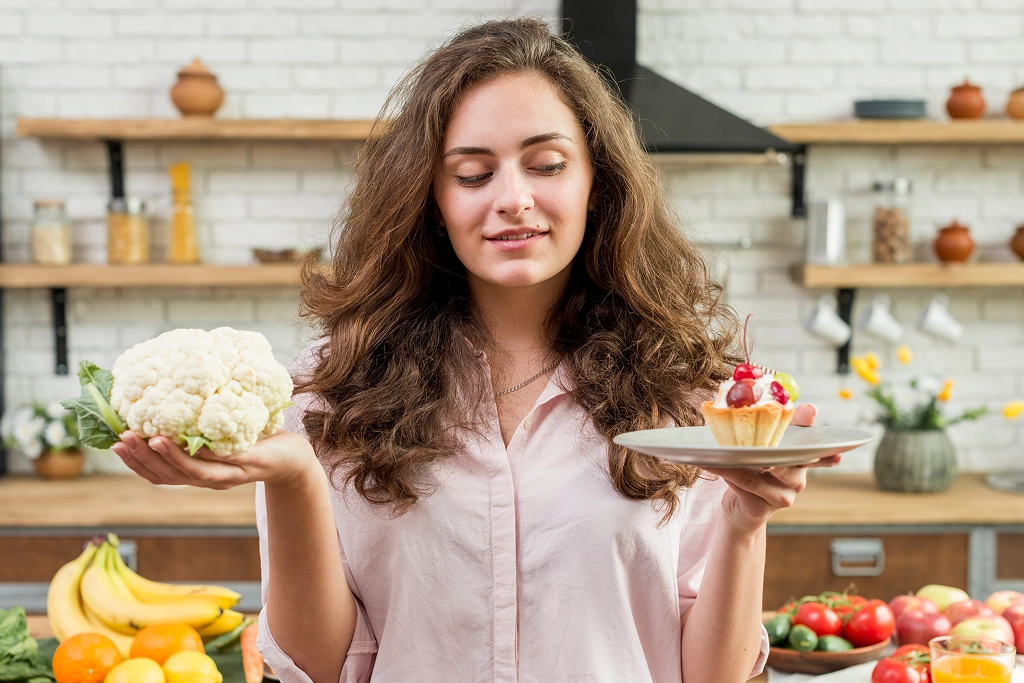
Foods to Eat on an Anti-Inflammatory PCOS Diet
Fibre-Rich Vegetables and Leafy Greens
Palak, methi, bathua, lauki, tori, bhindi, broccoli, cabbage, cauliflower, beans, and capsicum are all excellent choices. I ask my clients to fill half their plate with vegetables at lunch and dinner. They are low in calories, high in fibre, and rich in minerals like magnesium, which plays a role in how the body handles insulin.
Low GI Whole Grains and Millets
You do not have to give up grains. You only need to choose them well. Jowar, bajra, ragi, foxtail millet, barley, oats, and brown or hand-pounded rice digest more slowly than refined flour and polished rice. Rotating millets through the week also brings variety in nutrients.
Healthy Fats and Omega 3 Sources
Flaxseeds, chia seeds, walnuts, and almonds give you plant-based omega-3 and healthy fats. If you eat fish, sardines, mackerel (bangda), and salmon are among the richest sources. For cooking, mustard oil, groundnut oil, and a small amount of ghee work well in an Indian kitchen. Keep total oil moderate, around 3 to 4 teaspoons a day for most women.
Lean Proteins and Plant Proteins
Moong, masoor, chana, rajma, lobia, paneer, tofu, curd, eggs, chicken, and fish all count. Many vegetarian women in India eat far less protein than they need, and I see this gap in almost every diet recall I take. Adding a protein source to each meal is one of the simplest changes with the biggest effect.
For vegetarian women, the easiest fix is to plan the plate itself, and I have explained how to balance a vegetarian plate for every meal with simple Indian foods.
Anti-Inflammatory Spices and Herbs
Turmeric (haldi) contains curcumin, which has been studied for its anti-inflammatory effects. Pairing it with black pepper improves absorption. Ginger, cinnamon, garlic, and fenugreek seeds are also useful additions. These support your diet. They do not replace medical treatment.
Foods to Limit or Avoid
- Refined flour (maida): Biscuits, white bread, naan, and bakery items spike blood sugar quickly.
- Added sugar and sweet drinks: Packaged juices, cold drinks, sweetened chai, and mithai push insulin up fast.
- Deep-fried snacks: Samosas, pakoras, and namkeen are often made in reused oil, which forms harmful compounds.
- Packaged and processed foods: Instant noodles, chips, and ready meals carry hidden sugar, salt, and poor quality fats.
- Trans fats: Vanaspati and some commercial baked goods contain them, and they are strongly linked with inflammation.
- Excess alcohol: It disturbs blood sugar and liver function.
“Limit” does not mean “never again.” A piece of mithai at a family function will not undo your progress. What counts is the pattern you follow most days.
If you have tried diets before and slipped back into old habits within a few weeks, it was likely the plan that failed, not you. I have explained why most diets fail and how to make yours last in a separate guide.
The 7-Day Anti-Inflammatory PCOS Diet Plan
Below is the 7-day PCOS diet plan I use as a starting framework with many of my clients. Each day has a small theme so you learn one idea at a time. Portions are general guides, so adjust them to your hunger, activity, and any advice from your doctor. Non vegetarian swaps are mentioned wherever they fit.
Daily basics for all seven days:
- Start the morning with a glass of warm water. You may soak a teaspoon of methi seeds overnight and drink the water.
- Keep tea or coffee to 1 or 2 cups a day, with little or no sugar.
- Have dinner at least two to three hours before sleeping.
Day 1: Gentle Start with Whole Foods
- Early morning: Warm water with 4 to 5 soaked almonds and 1 walnut
- Breakfast: Vegetable poha made with plenty of peas, carrots, and peanuts, with a bowl of curd
- Mid-morning: 1 guava or apple
- Lunch: 2 multigrain rotis, palak dal, mixed vegetable sabzi, cucumber salad
- Evening: Roasted chana (a small handful) with green tea
- Dinner: Lauki chana dal with 1 jowar roti and a sautéed vegetable side
Day 2: Protein-Focused Meals
- Early morning: Warm water with soaked methi seeds
- Breakfast: Moong dal chilla stuffed with grated paneer and veggies, mint chutney
- Mid morning: Buttermilk with roasted jeera
- Lunch: 1 cup brown rice, rajma, cabbage sabzi, onion tomato salad
- Evening: Sprouts chaat with lemon and chopped vegetables
- Dinner: Paneer or tofu bhurji with 1 bajra roti and stir-fried beans (non-veg swap: grilled chicken)
Day 3: Fibre and Gut Health
- Early morning: Warm water with soaked almonds
- Breakfast: Vegetable oats upma or masala oats with a spoon of flaxseed powder
- Mid-morning: 1 pear or a bowl of papaya
- Lunch: 2 rotis, chana masala, bhindi sabzi, a bowl of homemade curd
- Evening: Makhana roasted in a little ghee
- Dinner: Mixed vegetable and moong dal khichdi made with millet, with a side of kachumber
Day 4: Omega 3 Rich Day
- Early morning: Warm water with 1 tablespoon of soaked chia seeds
- Breakfast: Ragi dosa with sambar loaded with vegetables
- Mid morning: 2 walnuts and a few pumpkin seeds
- Lunch: 2 rotis, masoor dal, tori sabzi, beetroot salad with a sprinkle of flaxseed
- Evening: Haldi ginger tea without sugar and a small handful of peanuts
- Dinner: Fish curry with a small portion of rice and sautéed greens (veg swap: tofu and vegetable curry with 1 millet roti)
Day 5: Millet and Low GI Meals
- Early morning: Warm water with soaked methi seeds
- Breakfast: Foxtail millet upma with vegetables and a bowl of curd
- Mid morning: 1 orange or a handful of berries
- Lunch: Jowar roti, lobia curry, cauliflower sabzi, carrot cucumber salad
- Evening: Buttermilk and roasted chana
- Dinner: Barley and vegetable soup with a paneer tikka side
Day 6: Plant-Based Day
- Early morning: Warm water with soaked almonds
- Breakfast: Besan chilla with spinach and a spoon of green chutney
- Mid morning: 1 apple with a teaspoon of peanut butter (no added sugar)
- Lunch: Brown rice, chole, baingan bharta, mixed green salad
- Evening: Sprouted moong salad
- Dinner: Tofu and vegetable stir fry with 1 ragi roti
Day 7: Balanced Plate Day
- Early morning: Warm water with soaked methi seeds
- Breakfast: Vegetable daliya (broken wheat) with a boiled egg or a bowl of curd
- Mid-morning: 1 bowl of watermelon or papaya
- Lunch: 2 multigrain rotis, dal tadka, methi aloo with more methi than aloo, salad
- Evening: Green tea with a handful of makhana
- Dinner: Grilled chicken or paneer with roasted vegetables and a small bowl of dal soup
Lifestyle Habits That Support the Diet
Food is a large part of managing PCOS, but it works best alongside a few daily habits.
Sleep and Stress Management
Poor sleep raises cortisol, the stress hormone, which can worsen insulin resistance and cravings. Aim for 7 to 8 hours of sleep with fixed sleep and wake times. For stress, even 10 minutes of deep breathing, a short walk, or quiet time without your phone each day can make a noticeable difference.
Movement and Exercise
Muscles use sugar for energy, so regular movement helps the body respond better to insulin. A mix of brisk walking, yoga, and strength training two to three times a week works well for most women. A 10 to 15 minute walk after meals is one of the easiest habits to start with.
Hydration
Drink around 2 to 3 litres of water a day, more in hot weather or after exercise. Water does not treat PCOS directly, but it supports digestion and often reduces mistaking thirst for hunger. Unsweetened herbal teas count towards your fluid intake.
Together, these habits multiply what an anti-inflammatory diet for PCOS can do for your body.
When to Consult a Dietitian
A general plan like this is a good starting point, but PCOS looks different in every woman. Please consult a qualified dietitian or your doctor if:
- You have diabetes, thyroid issues , or any other medical condition alongside PCOS
- You are pregnant, trying to conceive, or breastfeeding
- You take medicines like metformin or birth control pills and want your diet to work alongside them
- You have tried making changes for a few months without seeing any improvement
- You have a history of disordered eating or feel anxious around food
A personalised plan takes into account your blood reports, routine, food preferences, and goals. That is something a standard 7-day PCOS diet plan India readers find online cannot fully do.
This is where I can help. As a nutritionist and wellness coach, I work one on one with women to build PCOS diet plans around their own reports, daily schedule, and the food they enjoy eating at home. No extreme restrictions and no one size fits all charts, just a plan that fits your life and that you can actually stick to. If you are ready for a plan made only for you, book a consultation with me here and let us work on it together.
Conclusion
Managing PCOS is a gradual process, and the small choices you make at every meal add up over time. Food works best as one part of your care, alongside movement, good sleep, and guidance from your doctor, and together they give your body real support.
Start with one day of a 7-day PCOS diet plan, notice how you feel, and build from there. An anti-inflammatory diet for PCOS is not about restriction. It is about choosing foods that calm your body, so your hormones get a fair chance to find their balance.
Frequently Asked Questions (FAQs)
Question: How soon can I see results on an anti-inflammatory PCOS diet?
Answer: Changes like less bloating and fewer sugar cravings can appear within two to four weeks. Hormonal changes, such as more regular periods or clearer skin, generally take around three months because the menstrual cycle and hair growth follow slower timelines.
Question: Should I cut out carbs completely for PCOS?
Answer: No. Your body needs carbohydrates for energy, and cutting them out completely is hard to sustain and can leave you low on fibre. The better approach is to choose slow digesting carbs like millets, whole grains, and legumes, keep portions moderate, and always pair them with protein and vegetables.
Question: Is ghee good or bad for PCOS?
Answer: Ghee is fine in small amounts. One or two teaspoons a day can be part of a balanced PCOS diet. The problem comes when ghee, butter, or oil is used heavily in every meal, since excess fat adds calories quickly and can make weight management harder.
Question: Can I eat outside food while following a PCOS diet?
Answer: Yes, with some smart choices. Pick grilled, tandoori, or steamed dishes over fried ones, choose roti over naan, add a salad or dal, and skip sugary drinks. An occasional meal out will not undo your efforts when most of your meals are balanced.
Question: How do I control sugar cravings with PCOS?
Answer: Cravings often get stronger when meals are low in protein or when you go too long without eating. Include protein and fibre in every meal, avoid skipping breakfast, and sleep well. When a craving strikes, try a fruit with a few nuts or a small piece of dark chocolate instead of mithai.

Tapasya Mundhra is a Clinical Dietitian and Wellness Consultant based in India, specializing in Nutrition for Weight Loss, Detox Diets, and Stress Management. With over 13 years of experience, she helps clients optimize their physical and mental well-being through personalized diet plans, moderate workouts, and holistic health strategies. Trusted by countless clients, she is dedicated to achieving sustainable health goals.