

Why Am I Not Losing Weight Even After Dieting? (Common Mistakes)
Key highlights:
- Hidden calories are sneaking in: Extra portions, liquid calories, and “earned” post-workout treats quietly cancel out your deficit.
- Weekends undo weekdays: Being strict Mon–Fri and loose Sat–Sun can erase a whole week’s progress.
- Sleep and stress sabotage results: Poor sleep and high cortisol drive cravings and fat storage, no matter how clean your diet is.
- Your body adapts: Your body adapts. As you lose weight, your metabolism slows and needs recalculating. Plateaus are normal, not failure.
As a dietitian, this is one of the questions I hear almost every single day: “Ma’am, I’m doing everything right, so why my weight is not reducing?” And honestly, I understand the frustration behind it. You’ve cut down on sweets, you’re watching your portions, maybe you’ve even started walking every morning, and yet the scale barely moves.
Through my weight loss dietitian services, I’ve worked with hundreds of clients who felt exactly this way before we sat down together and figured out what was really going on. In most cases, it isn’t a lack of willpower. It’s a handful of small, easy-to-miss habits quietly working against the effort you’re putting in.
In this blog, I will walk you through why weight loss stops even for people who are trying their best, and how you can move past it.
Quick overview: Common reasons weight loss gets stuck
| Reason | Why it happens | What helps |
|---|---|---|
| Hidden extra portions | Small additions like ghee, sauces, or a second helping add up over the week. | Track meals honestly, including small extras. |
| Skipping meals | Leads to intense hunger and overeating later in the day. | Eat balanced meals at consistent times. |
| Liquid calories | Juices and sweetened drinks add calories without keeping you full. | Monitor beverages as carefully as meals. |
| Overestimating exercise burn | Can lead to eating back more calories than you actually burned. | Avoid rewarding workouts with extra food. |
| Weekend indulgence | Can undo the calorie deficit created during the week. | Stay consistent with healthy eating on weekends too. |
| Poor sleep | Disrupts hunger regulating hormones and increases cravings. | Aim for consistent, quality sleep each night. |
| Chronic stress | Raises cortisol levels, which can increase appetite and fat storage. | Manage stress through walking, relaxation, or mindfulness. |
| Metabolic slowdown | As body weight decreases, calorie needs also decline. | Recalculate your calorie requirements every few weeks. |
| Medical conditions | Thyroid disorders, PCOD, or insulin resistance may slow weight loss. | Get appropriate health checkups and follow medical advice. |
| Water retention | Sodium intake or hormonal changes can temporarily hide fat loss on the scale. | Focus on weekly weight trends instead of daily fluctuations. |
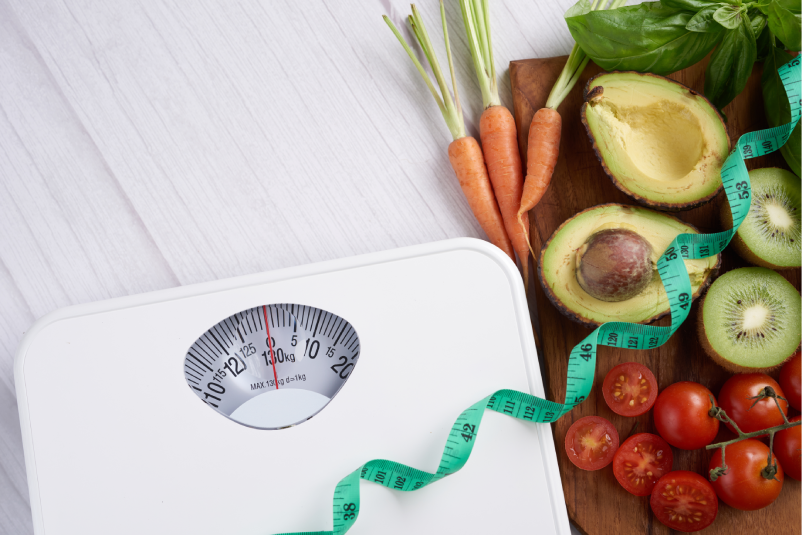
Common mistakes and hidden reasons behind slow progress
Over the years, I’ve noticed that slow progress rarely comes from one dramatic mistake. It’s usually a mix of everyday habits and natural body responses working against you at the same time, and separating the two helps you know exactly what to fix and what simply needs patience. When someone tells me their diet is not working despite consistent effort, these are the points we go through together:
- Underestimating portion sizesEven healthy foods carry calories, and it’s incredibly easy to eat more than you think. An extra spoon of ghee, a bigger-than-usual bowl of dal, or a second roti can add up over a week without you noticing, especially when you’re not actively measuring anything.
Knowing which are the worst foods for weight loss can also make a significant difference, as some everyday choices add excess calories without keeping you full. Read our guide on Foods to Avoid for Weight Loss to identify the foods that may be slowing your progress.
- Skipping meals to “save” caloriesMany people I counsel arrive convinced that skipping breakfast will speed things up. In practice, it usually does the opposite, leading to intense hunger later in the day and overeating at the next meal, often on exactly the foods you were trying to avoid.
- Not accounting for liquid caloriesJuices, sweetened teas, and flavored coffees add calories without keeping you full. This is one of the most overlooked common dieting mistakes I come across in consultations.
- Overestimating exercise calorie burnFitness trackers often overestimate how many calories a workout actually burns. This sometimes leads to a “reward” mindset, where people eat a little extra because they feel they’ve earned it, which cancels out the deficit they worked hard for.
- Being disciplined on weekdays, relaxed on weekendsPeople stay disciplined with their diet plan from Monday to Friday, then loosen up completely over the weekend. This pattern alone can undo an entire week’s progress, and it’s one of the most common weight loss mistakes I help correct.
- Not prioritizing sleepLack of sleep disrupts the very hormones that regulate hunger and fullness. Even a near-perfect diet plan can underperform when sleep is inconsistent, since poor rest often increases cravings the very next day.
- Letting stress go unmanagedHigh stress raises cortisol, which is linked to increased appetite and fat storage, particularly around the abdomen. Emotional eating during stressful weeks can also add unaccounted calories that rarely get tracked.
- Your metabolism adapts over timeAs you lose weight, your body needs less food to keep it running. So the same diet that helped you lose weight in the beginning slowly stops giving the same results. This is usually why weight loss plateau happen after some time, and the fix is to recalculate your calorie needs periodically.
- Underlying medical conditionsConditions like hypothyroidism, PCOD, or insulin resistance can make weight loss genuinely harder, no matter how disciplined the diet. This is exactly why I always review basic health reports before finalizing a plan.
- Water retention masking real progressSometimes the scale doesn’t move because of temporary water retention from sodium intake or hormonal changes, not because fat isn’t being lost. I always recommend tracking how your clothes fit over a month instead of panicking over a single week’s numbers.
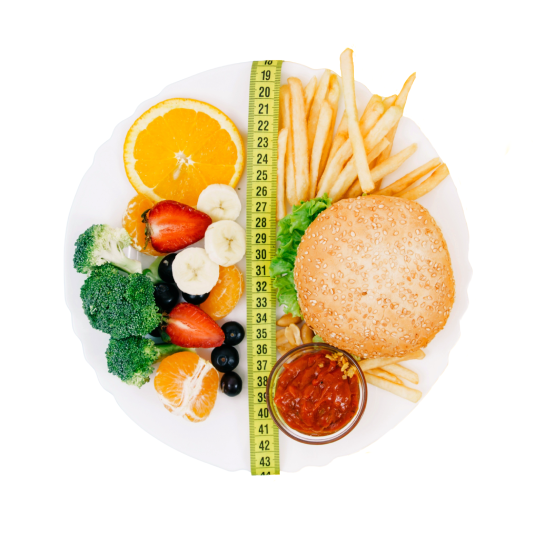
How to break through and restart progress
Once we identify what’s actually happening, getting things moving again is very achievable. Here’s what I typically recommend to clients in this exact situation:
- Reassess your calorie needs regularly: As your body changes, your requirements change too. Review and adjust your diet plan every couple of weeks for this reason.
- Prioritize protein at every meal: Protein helps preserve muscle, keeps you fuller for longer, and supports a healthier metabolism.Protein is only one part of the equation. Including the right nutrients for weight loss in your daily diet can also help improve satiety, support metabolism, and make your weight loss plan more effective.
- Add strength training: Building or maintaining muscle helps counter the natural metabolic slowdown that comes with weight loss.
- Improve your sleep routine: Consistent, quality sleep helps regulate hunger hormones far more than most people realize.
- Manage stress actively: Even simple practices like a short walk or a few minutes of quiet time can help bring cortisol levels down.Sometimes, the reason the scale isn’t moving has less to do with food and more to do with what your body is experiencing. Understanding how stress prevents weight loss can offer a different perspective.
- Track your eating habits more honestly: A quick food diary often reveals hidden calories from sauces, snacks, or drinks that were never accounted for.Making smarter food choices matters just as much as tracking them, and including anti inflammatory foods for weight loss in your meals can help support your overall health while making your diet easier to stick with.
- Stay consistent through weekends: Applying the same effort on Saturday and Sunday as you do on weekdays protects the progress you’ve built all week.The most successful weight loss plans are the ones you can maintain over time. Understanding why most diets fail can help you build habits that last instead of relying on short term restrictions.
- Be patient with fluctuations. Your weight can go up or down a little every day because of water and hormones. So don’t worry about daily changes. Just look at how your weight is moving over the whole week.
- Get the right guidance. If you’ve made genuine lifestyle changes and still see no movement, it’s worth having a professional review your health reports and routine together, rather than guessing what’s wrong.
Where to go from here?
Feeling stuck despite real effort is one of the most disheartening parts of any weight loss journey, but in my experience, it almost never means you’ve failed. More often, it simply means your body has adapted, and your plan needs to evolve alongside it. With the right adjustments and a little patience, progress does come back.
If you’re going through this right now and want a plan built around your specific body and lifestyle, you can book an appointment with me, and we can figure out exactly what’s holding you back, together.
Frequently asked questions (FAQs)
Q1. What exactly is a weight loss plateau, and how can you get past it?
Answer: A plateau is a phase where your weight stops changing even though you’re still following your plan, usually because your body has adjusted to your current calorie intake and activity level. Getting past it means reassessing your calories, adding strength training, and giving your body a little time to respond to the changes.
Q2. How can you tell if your body is actually burning fat?
Answer: Fat loss doesn’t always show up on the scale right away. Signs like looser-fitting clothes, changes in body measurements, and steadier energy through the day are often better indicators than daily weight alone.
Q3. Does feeling hungry mean your body is burning fat?
Answer: Not necessarily. Hunger is more often linked to hormonal changes, meal timing, or a lack of protein and fiber in your diet than to active fat burning. It’s your body’s response to eating less, not confirmation that fat is being used for energy.
Q4. How do you get your body to start losing weight again after it slows down?
Answer: Small, consistent changes work best: recalculating your calorie needs, adding resistance training, improving sleep, and managing stress. These help your body respond again without needing to drastically cut calories further.
Q5. Which parts of the body typically show fat loss first?
Answer: This varies from person to person and is largely influenced by genetics. Many people notice changes in the face and upper body before areas like the abdomen or thighs, though this pattern isn’t the same for everyone.

Tapasya Mundhra is a Clinical Dietitian and Wellness Consultant based in India, specializing in Nutrition for Weight Loss, Detox Diets, and Stress Management. With over 13 years of experience, she helps clients optimize their physical and mental well-being through personalized diet plans, moderate workouts, and holistic health strategies. Trusted by countless clients, she is dedicated to achieving sustainable health goals.