

Key highlights:
- Insulin resistance is usually the root cause, so a low-glycemic diet is the most direct way to ease PCOD symptoms.
- Complex carbs, lean protein, and healthy fats keep blood sugar stable and reduce androgen-driven symptoms.
- Small, frequent meals prevent the blood sugar crashes that trigger cravings and fatigue.
- Diet works best paired with daily movement, good sleep, and stress management, not diet alone.
Almost every week, a client walks into my clinic, or joins me for an online consultation, saying the same thing: “I’ve been diagnosed with PCOD, and I don’t know where to start with my diet.” I completely understand the confusion. Between conflicting advice online and well-meaning but inaccurate tips from friends and family, figuring out what to eat can feel more stressful than the condition itself.
As a nutritionist and personal health coach, I always tell my clients that PCOD isn’t just a hormonal issue, it’s deeply connected to how you eat, move, and manage stress. The right PCOD diet chart can significantly ease symptoms like irregular periods, weight gain, and fatigue.
In this blog, I want to break things down the way I would for a client sitting across from me, simple, practical, and free of fad diets or complicated rules.
Understanding PCOD and why diet matters
PCOD, or Polycystic Ovarian Disease, happens when the ovaries release immature or partially mature eggs, which over time can lead to hormonal imbalance, weight gain, acne, and irregular cycles.
In my experience, the root cause I see most often is insulin resistance. When your cells stop responding properly to insulin, your body compensates by producing even more of it. This excess insulin pushes your ovaries to produce more androgens (male hormones), which disrupts ovulation and makes symptoms worse.
This is exactly why I tell my clients that learning how to reduce PCOD symptoms almost always starts with what’s on their plate. A balanced, low-glycemic diet helps regulate insulin, supports hormonal balance, and makes weight management far easier, which is why a well-structured PCOD diet chart for weight loss is usually one of the first things I build for a new client, alongside movement and sleep changes.
If you’ve been diagnosed with PCOS instead of PCOD, this PCOS diet plan explains how the right food choices can support hormonal balance, improve insulin sensitivity, and help manage symptoms effectively.
Foods to eat and avoid in PCOD
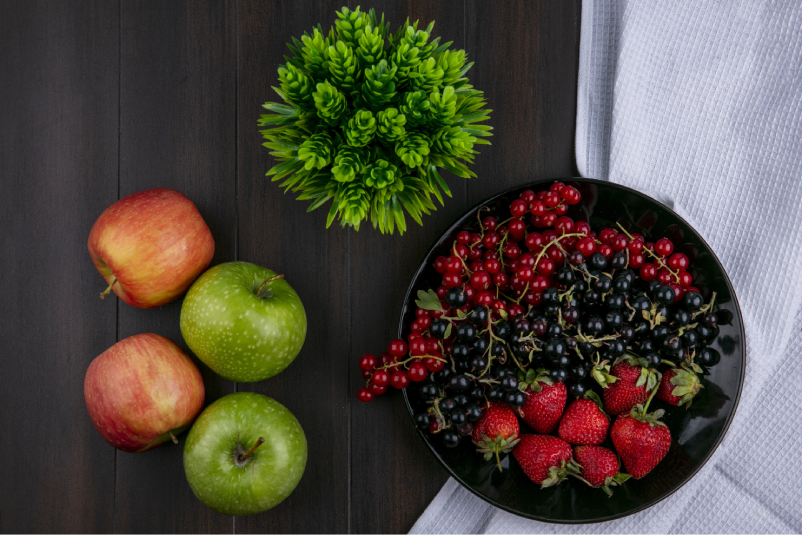
Here’s a simple breakdown of what to include on your plate and what to gradually cut back on, food group by food group:
| Food group | What to eat in PCOD | What to avoid |
|---|---|---|
| Carbohydrates | Brown rice, oats, quinoa, millets | White bread, maida, white rice |
| Proteins | Eggs, fish, tofu, lentils, chickpeas | Excess red meat |
| Fats | Nuts, seeds, olive oil, avocado | Fried and fatty foods |
| Fruits & vegetables | Leafy greens, broccoli, berries, apples | Fruit juices with added sugar |
| Dairy | Curd, low-fat paneer, buttermilk | Excess full-fat dairy |
| Sugar & sweeteners | Jaggery in moderation | Refined sugar, cakes, sodas |
| Packaged foods | Home-cooked meals | Chips, noodles, ready-to-eat meals |
| Beverages | Herbal teas, water | Excess caffeine and alcohol |
Why these particular foods? When it comes to what to eat in PCOD, everything on this PCOD diet food list shares one thing in common, it digests slowly and doesn’t spike blood sugar. Complex carbs, lean proteins, and healthy fats keep you full for longer, while fiber-rich fruits and vegetables support digestion and make weight management much easier over time.
On the other hand, the PCOS foods to avoid on this list, refined sugar, fried snacks, and processed foods, cause sharp insulin spikes and increase inflammation, both of which worsen PCOD symptoms over time. Cutting back on these is often what makes the biggest difference in a PCOD diet food chart.
If you’re trying to lose weight alongside managing PCOD, understanding the foods to avoid for weight loss can help you make better everyday choices and avoid common diet mistakes.
Always remember that a good PCOD diet food chart isn’t about eating less, it’s about eating right. Once they understand this list of foods to eat and avoid in PCOD clearly, they stop overthinking every meal and start making consistent, confident choices.
Simple PCOD diet food chart for beginners
Here’s a simple, easy-to-follow PCOD diet food chart for beginners. It’s built around small, frequent meals so blood sugar stays steady through the day instead of spiking and crashing, which is usually when cravings and fatigue hit the hardest:
| Meal | What to Eat |
|---|---|
| Early Morning | Warm water with lemon, or soaked fenugreek water |
| Breakfast | Vegetable oats or moong dal chilla with mint chutney |
| Mid Morning Snack | A handful of nuts or a small bowl of fruit |
| Lunch | Millet roti or brown rice, dal, a green vegetable, and salad |
| Evening Snack | Roasted chana or green tea with roasted makhana |
| Dinner | Grilled fish or paneer with sautéed vegetables and salad |
| Bedtime | Warm milk (optional) or chamomile tea |
If you follow a vegetarian diet, learning how to build a balanced vegetarian plate can make it easier to include the right mix of protein, fiber, and healthy fats in every meal.
Lifestyle tips to complement your diet
Diet is powerful, but it’s only one piece of the puzzle. To reduce PCOD symptoms more effectively, you should always pair diet advice with these habits:
- Move daily: 30–40 minutes of brisk walking, yoga, or strength training, 4–5 times a week, makes a visible difference in insulin sensitivity.
- Prioritize sleep and stress management: Poor sleep and chronic stress raise cortisol, which worsens insulin resistance and can undo good dietary work.
- Stay hydrated: Adequate water intake supports metabolism, digestion, and even skin health.
If your work or routine often keeps you up late, these tips on maintaining a balanced diet with late nights can help you make healthier food choices without disrupting your PCOD management.
Common mistakes I see beginners make
Some common mistakes I have noticed:
- Skipping meals: Usually breakfast, thinking it’ll speed things up. It almost always backfires, and the cravings hit hard by evening.
- Falling into the crash-diet trap: Cutting calories drastically for a week or two feels great on the scale, but it’s rarely sustainable, and old habits creep back just as fast.
- Going carb-phobic: Cutting out rice and roti completely while barely paying attention to protein or healthy fats isn’t balance, it’s just a different kind of restriction.
- Copying a random diet plan: Making big changes based on something read online or heard from a friend, without checking whether it actually suits your body and your reports.
One of the biggest reasons people struggle to see lasting results is following restrictive plans that are difficult to maintain. Understanding why most diets fail can help you build healthier habits that actually last.
My approach to managing PCOD through diet
For me, managing PCOD isn’t about handing a client a generic printout and sending them off. Every body responds differently to insulin resistance, stress, and hormonal shifts, so the PCOD diet chart I build for one client often looks quite different from another’s, even if the underlying principles stay the same.
I focus on small, sustainable changes: balanced meals that don’t feel restrictive, realistic portion sizes, and lifestyle habits that fit into a client’s actual routine, not an idealized one. When clients follow this approach consistently, I typically see improvements in energy, cycle regularity, and mood well before major weight changes even show up.
If you’d like a plan built around your own reports, lifestyle, and food preferences, you can to book an appointment with Tapasya Mundhra. I’ll work with you to create a PCOD diet chart that actually fits your life, not the other way around.
Frequently asked questions (FAQs)
Question: What’s the single best food to include in a PCOD diet?
Answer: There’s no one “magic” food, but millets, leafy greens, eggs, nuts, and berries are some of the top picks. They keep blood sugar stable and are easy to include in almost any PCOD diet chart.
Question: Is curd okay to eat if you have PCOD?
Answer: Yes, curd in moderate amounts is fine and even beneficial for gut health. Fresh, homemade curd or buttermilk is a better choice than sweetened, store-bought versions.
Question: What’s the quickest way to bring PCOD symptoms under control?
Answer: There’s no overnight fix, but cutting out refined sugar and processed foods, eating balanced meals, and staying active can bring noticeable improvement in energy and bloating within a few weeks.
Question: Can PCOD go away completely?
Answer: PCOD isn’t something that’s “cured” in the traditional sense, but it can be managed very effectively with the right diet, lifestyle, and, if needed, medical support. Symptoms often become far more manageable over time.
Question: At what age does PCOS usually develop?
Answer: It most commonly shows up during the teenage years or early twenties, but it can also develop or get diagnosed later in life, especially after weight gain, stress, or hormonal changes.

Tapasya Mundhra is a Clinical Dietitian and Wellness Consultant based in India, specializing in Nutrition for Weight Loss, Detox Diets, and Stress Management. With over 13 years of experience, she helps clients optimize their physical and mental well-being through personalized diet plans, moderate workouts, and holistic health strategies. Trusted by countless clients, she is dedicated to achieving sustainable health goals.