

You don’t need meat to eat well or feel energized. In fact, creating a balanced vegetarian plate can be one of the simplest ways to fuel your body with clean, wholesome nutrition. If you are trying to eat lighter, stay fit, or simply feel better every day, healthy vegetarian meals can do wonders when planned right.
Think colorful veggies, protein-packed lentils, hearty grains, and good fats, all coming together on one vibrant plate. With the right vegetarian meal planning, you can enjoy meals that are both satisfying and packed with everything your body needs. And no, it doesn’t have to be boring or complicated!
In this guide, I will show you how to create a balanced vegetarian plate for every meal, perfect for beginners, busy professionals, or anyone looking to embrace a more nutrient-rich vegetarian diet.
Why Balanced Vegetarian Meals Matter.
Many people believe that a vegetarian diet might lack important nutrients, but that’s not true when meals are planned the right way. A well-balanced vegetarian plate gives your body everything it needs: energy, strength, and nourishment.
As a trusted nutritionist in Delhi, I have worked with people of all ages to help them build a balanced vegetarian diet for daily meals. It’s equally important to be mindful of foods to avoid for weight loss, such as highly processed snacks, sugary drinks, and deep-fried items, as these can undermine even the healthiest meal plans.
It’s important to include the right mix of vegetarian protein sources, healthy carbs, good fats, and fiber.
When done correctly, healthy vegetarian meals can support weight loss management, improve digestion, and even boost immunity, while being full of taste and variety.
Understanding Nutritional Needs in a Vegetarian Diet
A nutrient-rich vegetarian diet requires the right combination of food groups to meet your body’s daily needs. Since vegetarian meals exclude meat and fish, it’s important to be mindful of certain nutrients that might be harder to get.
Here’s a quick guide to the key nutrients every vegetarian should include:
| Nutrient | Why It’s Important | Vegetarian Sources |
| Protein | Builds and repairs muscles | Lentils, chickpeas, tofu, paneer, nuts, quinoa |
| Iron | Prevents fatigue and supports oxygen flow | Spinach, beans, jaggery, sesame seeds, fortified cereals |
| Vitamin B12 | Supports nerves and energy levels | Fortified foods, dairy, supplements |
| Calcium | Strengthens bones and teeth | Milk, curd, ragi, almonds, sesame seeds |
| Omega-3 Fatty Acids | Boosts brain and heart health | Flaxseeds, chia seeds, walnuts |
| Complex Carbs & Fiber | Provides energy and improves digestion | Whole grains, oats, fruits, and vegetables |
This is where a smart and well-structured vegetarian plate guide becomes essential. With the right planning, you can build balanced vegetarian meals that are tasty, filling, and complete.
Also Read: Health benefits of eating boiled vegetables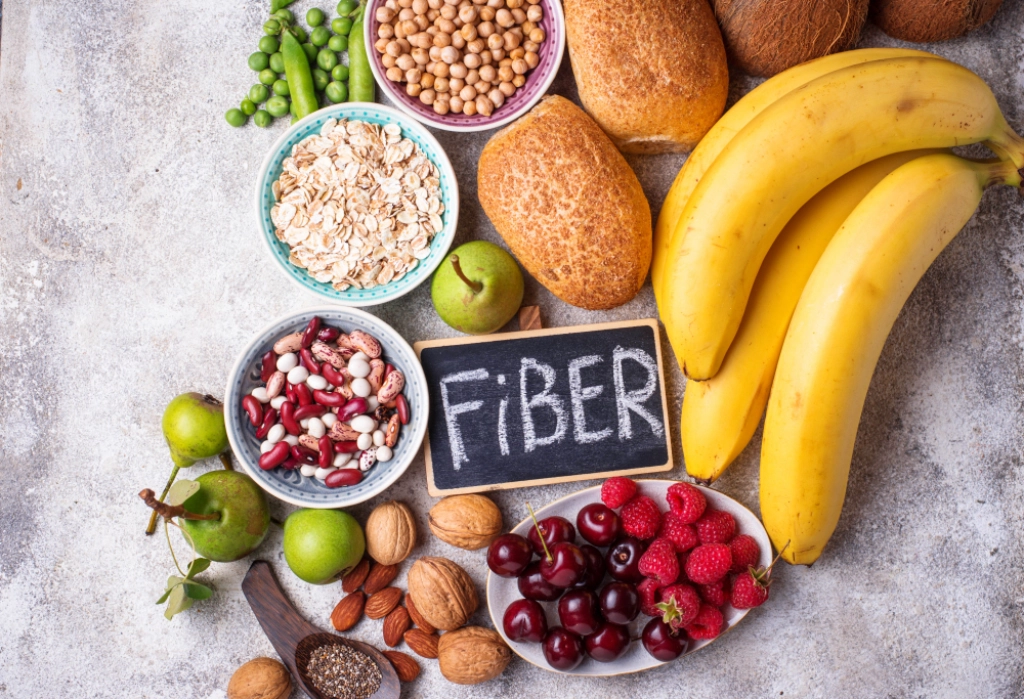
The Core Components of a Balanced Vegetarian Plate
If you are thinking about how to create a balanced vegetarian plate, then think of it as a simple formula that includes four essential parts.
Each meal should offer a mix of vegetarian protein sources, complex carbs, healthy fats, and a variety of vegetables to support a nutrient-rich vegetarian diet.
1. Vegetarian Protein Sources
Protein is key for building muscles, supporting metabolism, and boosting immunity. Add at least one plant-based protein to every meal:
- Lentils, chickpeas, and kidney beans
- Tofu, tempeh, and paneer
- Nuts, seeds, and Greek yogurt
Including these in your meals ensures a balanced vegetarian diet for daily meals.
2. Healthy Carbohydrates
Carbs give your body long-lasting energy and keep you full. Choose:
- Brown rice, quinoa, and oats
- Sweet potatoes
- Whole wheat roti, multigrain bread
They are especially helpful in creating a vegetarian food plate for weight loss when portioned wisely.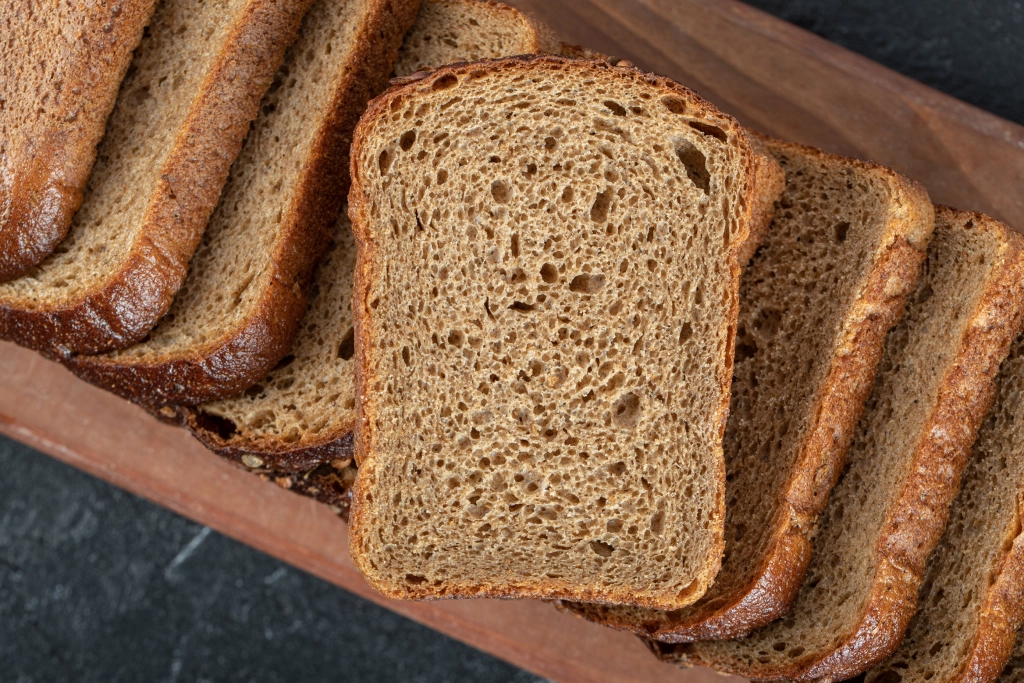
3. Healthy Fats
Good fats help absorb nutrients and support brain function. Don’t skip them:
- Avocados and olives
- Chia, flaxseeds, walnuts
- Cold-pressed oils (olive, mustard, sesame)
4. Vegetables and Fiber
Half of your plate should be vegetables. They provide essential vitamins, minerals, and fiber:
- Leafy greens (spinach, kale)
- Cruciferous veggies (broccoli, cabbage)
- Colorful picks like carrots, beetroot, bell peppers
This variety supports digestion and boosts your overall health.
Pro Tip: Build your meals using this formula daily for an easy vegetarian plate for beginners that’s wholesome, delicious, and complete.
Food quality plays a major role in long-term health. Confused about healthy vs unhealthy Indian foods? This detailed guide breaks it down clearly.
How to Build a Balanced Breakfast
Here are a few tasty and nutrient-packed breakfast options:
| Meal Idea | Nutritional Highlights |
| Moong dal chilla + mint chutney | High in protein, low in fat, packed with fiber |
| Overnight oats + chia seeds + nuts | Rich in omega-3s, complex carbs, and healthy fats |
| Vegetable upma + flaxseed powder | Balanced carbs, fiber, and digestion-boosting seeds |
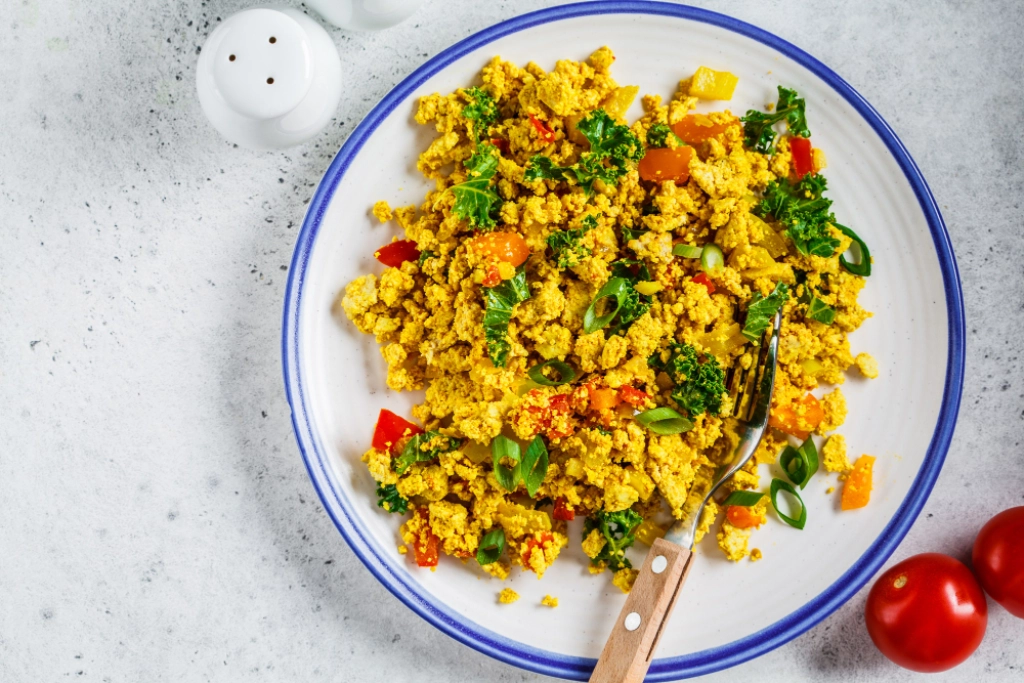
| Tofu scramble + multigrain toast | Great vegetarian protein source with energizing whole grains |
Each option includes vegetarian protein sources and complex carbs, essential for creating a balanced vegetarian plate that keeps you full and focused till lunch.
Also Read: 10 Delicious Breakfast Ideas for Weight Loss Over 40
How to Build a Balanced Lunch
Lunch is your mid-day fuel; it should be satisfying, energizing, and well-balanced. A good lunch helps prevent energy crashes and keeps cravings in check.
Try these wholesome combinations:
| Meal Idea | Why It Works |
| Rajma + brown rice + side salad | Complete protein + fiber + complex carbs |
| Chickpea & quinoa salad + lemon-tahini dressing | Light yet filling, packed with protein and healthy fats |
| Paneer tikka + millet roti + mixed veg sabzi | Balanced plate with protein, good carbs, and a variety of vegetables |
Using a simple vegetarian plate guide, aim for:
- 50% vegetables
- 25% whole grains
- 25% vegetarian protein sources
This structure not only supports a balanced vegetarian diet for daily meals but also works well for anyone aiming to maintain or lose weight with a vegetarian food plate for weight loss.
If you need personalized lunch ideas that match your routine and preferences, then Tapasya Mundhra can help you build an easy vegetarian plate for beginners that’s both practical and nourishing.
How to Build a Balanced Dinner
Dinner should be light on the stomach, yet rich in nutrition. The goal is to nourish your body without feeling heavy before bedtime.
You can also include fruits rich in natural probiotics to support gut health and digestion. Here’s a list of probiotic-rich fruits you should consider.
Here are some easy and wholesome dinner ideas:
| Dinner Idea | Benefits |
| Steamed broccoli stir-fry + tofu + soba noodles | Light, protein-rich, and fiber-filled |
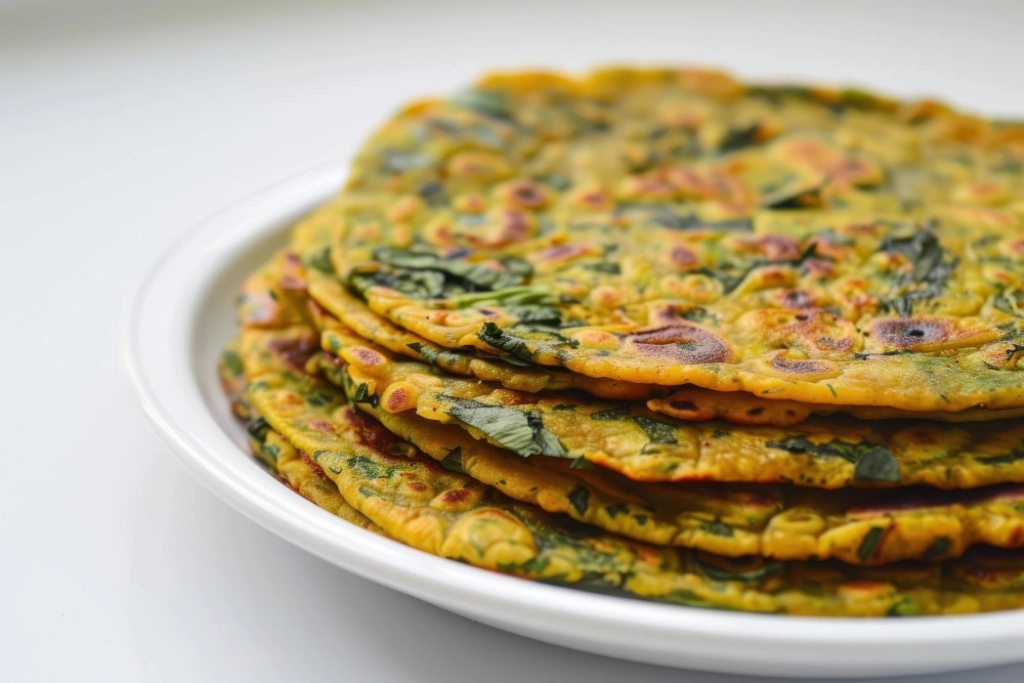
| Methi thepla + curd + sautéed vegetables | Great for digestion and gut health |
| Moong dal soup + millet khichdi + cucumber raita | Comforting, protein-packed, and easy to digest |
These combinations are perfect for an easy vegetarian plate for beginners, offering a great balance of vegetarian protein sources, complex carbs, and veggies.
Stick to smaller portions, avoid fried or overly spicy dishes, and aim for a calm, satisfying close to your day. A properly planned dinner supports your overall vegetarian meal planning goals, including better sleep, metabolism, and weight balance.
Learn how to stay consistent with your meals in why most diets fail and how to make yours work long-term.
7-Day Balanced Vegetarian Meal Plan
Below is a simple and effective vegetarian meal planning guide you can follow. Each day includes balanced portions of vegetarian protein sources, complex carbs, and colorful veggies, ideal for beginners and anyone looking for a nutrient-rich vegetarian diet.
1. Day 1
- Breakfast: Besan chilla with mint chutney and coconut water
- Mid-Morning Snack: Mixed seeds or seasonal fruit with green tea
- Lunch: Quinoa, chole curry, sautéed spinach, and carrot sticks
- Evening Snack: Greek yogurt with berries and flax seeds
- Dinner: Vegetable soup, grilled tofu salad, and one whole wheat phulka
Late nights can easily disturb meal balance, especially for vegetarians. If you often eat late, this guide on maintaining a balanced diet even with late nights shares practical tips to stay on track.
2. Day 2
- Breakfast: Overnight oats with chia seeds and banana
- Snack: Roasted makhana with coconut water
- Lunch: Brown rice with rajma and mixed vegetable salad
- Evening Snack: Buttermilk and almonds
- Dinner: Stir-fried vegetables with tofu and soba noodles
3. Day 3
- Breakfast: Vegetable upma with flaxseed powder
- Snack: Herbal tea with seasonal fruit
- Lunch: Millet roti, baingan bharta, and cucumber raita
- Evening Snack: Boiled corn with lemon and rock salt
- Dinner: Methi thepla, sautéed vegetables, and curd
4. Day 4
- Breakfast: Moong dal cheela with coriander chutney
- Snack: Dry fruits and lemon water
- Lunch: Barley pulao, paneer curry, and spinach salad
- Evening Snack: Chaas with roasted peanuts
- Dinner: Moong dal soup, steamed veggies, and Makki di roti – a winter favorite packed with fiber and taste.
5. Day 5
- Breakfast: Banana-oats smoothie with peanut butter
- Snack: Apple slices with cinnamon
- Lunch: Chickpea and quinoa salad with lemon-tahini dressing
- Evening Snack: Hummus with veggie sticks
- Dinner: Mixed vegetable curry, brown rice, and salad
6. Day 6
- Breakfast: Poha with peanuts and pomegranate
- Snack: Chia pudding with almond milk
- Lunch: Dal, jeera rice, and cabbage stir-fry
- Evening Snack: Trail mix with herbal tea
- Dinner: Palak tofu, one phulka, and beetroot salad
7. Day 7
- Breakfast: Ragi dosa with coconut chutney
- Snack: Banana and a handful of walnuts
- Lunch: Oats roti, aloo-matar sabzi, and green salad
- Evening Snack: Greek yogurt with sunflower seeds
- Dinner: Lentil stew and a vegetable wrap (whole wheat)
This 7-day plan is built around the vegetarian plate guide and works perfectly for anyone aiming to build a balanced vegetarian plate that supports energy, weight balance, and overall health.
Looking for the right nutrition expert to guide your journey? Discover some of the best dieticians in India and learn how their expertise can help transform your health goals.
Final Thoughts
Eating vegetarian isn’t just a choice, it’s a lifestyle rooted in balance, intention, and nourishment. A balanced vegetarian plate isn’t about counting every calorie or eliminating entire food groups. It’s about knowing what your body needs and giving it the right mix of protein, fiber, good fats, and colorful plant foods.
The truth is, vegetarian meals can be simple, delicious, and deeply nourishing, if they are planned right.
As a leading Dietitian in Delhi, I have helped many individuals turn their vegetarian diets into powerful tools for weight loss, better digestion, and long-term wellness. Whether you are just starting or want to take your current diet to the next level, online diet counselling can make all the difference.
You can book a 1-on-1 consultation with Tapasya Mundhra and get expert support depending on your body, routine, and goals.

Tapasya Mundhra is a Clinical Dietitian and Wellness Consultant based in India, specializing in Nutrition for Weight Loss, Detox Diets, and Stress Management. With over 13 years of experience, she helps clients optimize their physical and mental well-being through personalized diet plans, moderate workouts, and holistic health strategies. Trusted by countless clients, she is dedicated to achieving sustainable health goals.